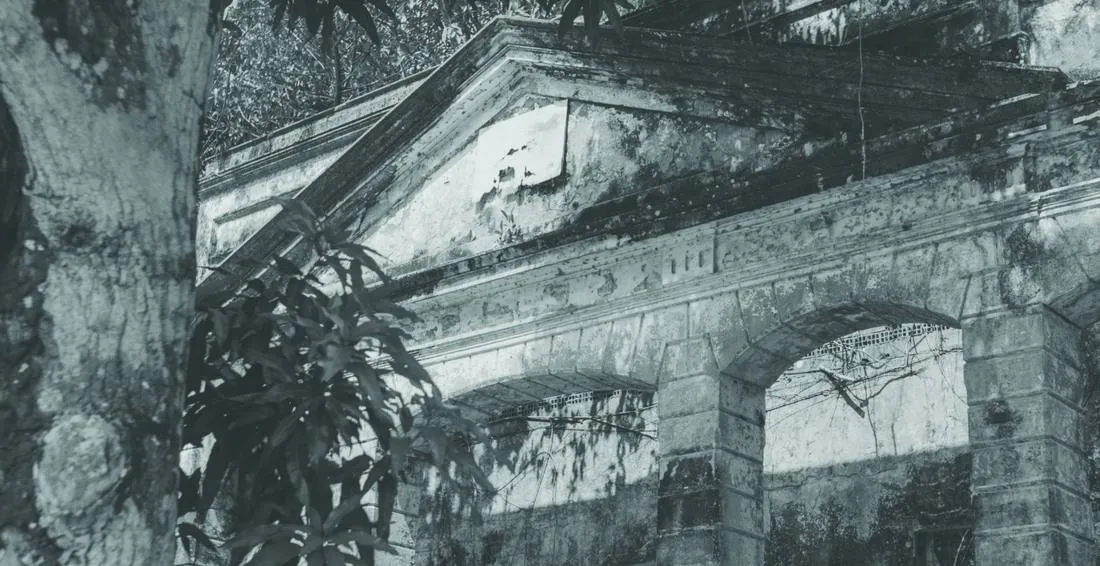
The History of the Ruins
Before it was a ruin, Paricatuba was a lodging house, a school, a prison and a hospital. Its history runs through the rubber economy, European immigration to the Amazon and one of the most silenced chapters of Brazilian public health: the compulsory isolation of people with leprosy. Telling this story is also an act of memory — and of respect for those who lived through each of these phases.
Timeline
- 1898
Immigrant lodging house
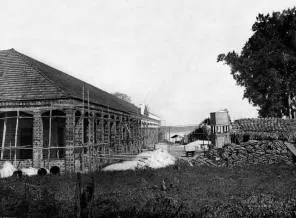
Construction of the mansion begins with materials imported from Europe; it was built to house European immigrants.
- 1906
The mansion opens
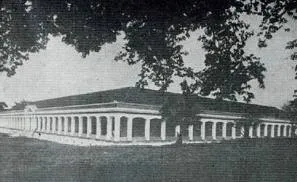
The building, known as Belisário Penna, opened in 1906 and served many purposes over the years.
- Early 20th century
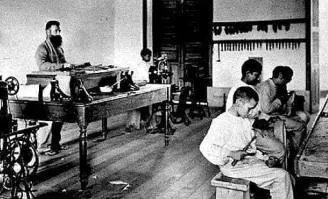
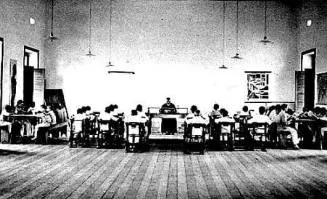
Arts and Trades School
The mansion was later run by French religious brothers, who set up an Arts and Trades School there.
- 1916-1924
Prison
Over the years, the building was used as a prison until the 1920s.
- 1933
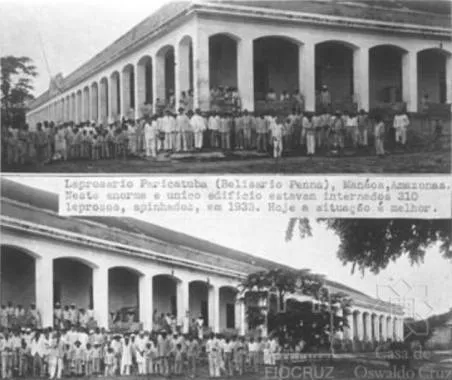
The leprosarium
The mansion is handed over to the Amazonas Rural Prophylaxis service and becomes a hospital colony for people with leprosy, segregated from society.
- 1968
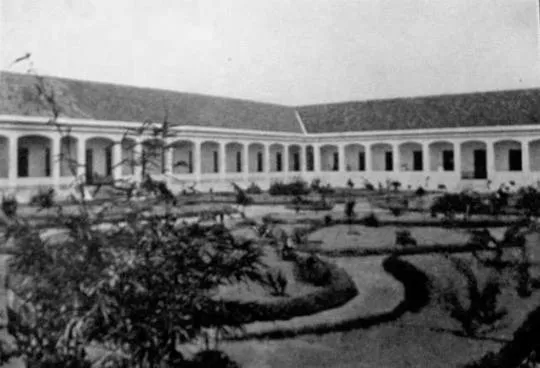
Transfer and abandonment
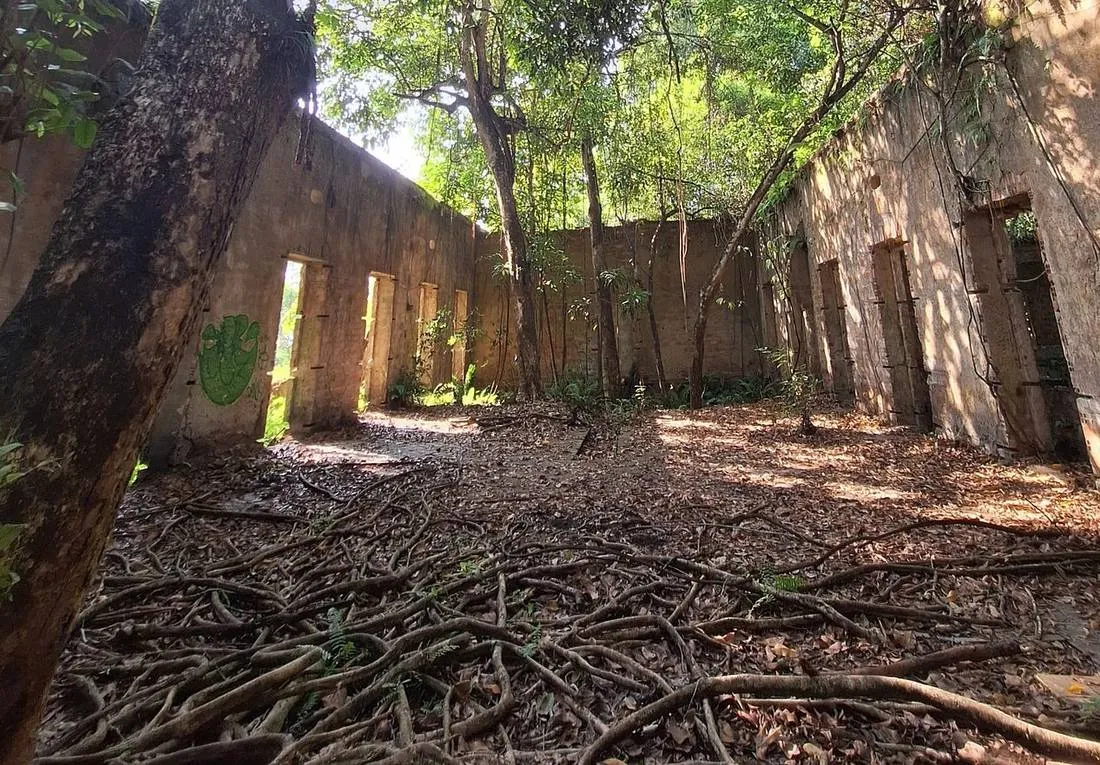
The last patients are transferred and the buildings are slowly reclaimed by vegetation.
- 2015
Intangible Historical and Cultural Heritage
Paricatuba Village is declared Intangible Historical and Cultural Heritage of the State of Amazonas — recognition that protects not only the brick ruins but the living memory of those who passed through, endured and keep telling this story.
Watch the documentary and hear this story from those who lived it.
Paricatuba Village documentaryThrough memories, encounters and change, the documentary presents Paricatuba through the eyes and voices of its own community. Residents share recollections, experiences and affection, revealing a village that preserves its history while building new paths for the future.